
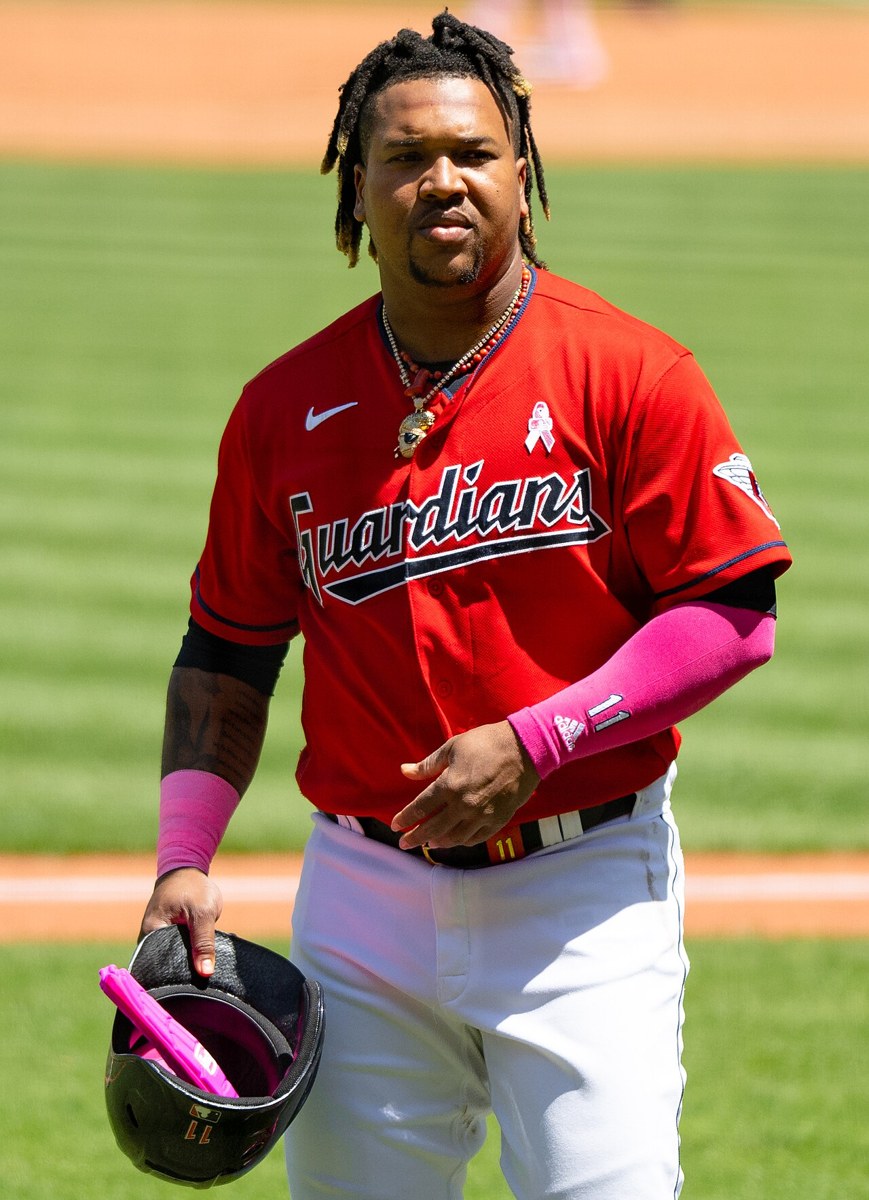
Cleveland’s 9–3 win Wednesday kept this ALDS alive. Chicago still leads the best-of-five series 2–1 and can advance at Rate Field; Cleveland needs another win to force a deciding game. The Game 4 question goes beyond comparing the names listed to start: both clubs used multiple pitchers Wednesday, and Chicago’s probable starter appeared in that game.
Reported facts: Messick and Smith are the probable pitchers
MLB lists left-handers Parker Messick for Cleveland and Hagen Smith for Chicago. Messick’s regular season covered 186⅓ innings across 32 starts, with a 2.56 ERA, 193 strikeouts and 49 walks. Smith’s MLB season covered 28 innings in 18 appearances, only one a start: a 1.29 ERA, 41 strikeouts and 16 walks. These are regular-season totals, not postseason statistics.
Smith threw 21 pitches in two-thirds of an inning Wednesday, allowing one earned run and two walks. Cleveland’s Foster Griffin worked 2⅔ innings and threw 53 pitches; Noah Schultz worked three innings and threw 45 pitches for Chicago. Those workloads belong in the next game’s pitching assessment, even though they do not establish who is available or how long anyone will pitch Thursday.
José Ramírez went 2-for-4 with two RBI in Game 3, and Jo Adell drove in three runs. Cleveland scored nine after producing three runs across the first two games. Chicago struck out 19 times Wednesday, a result worth examining without assuming it defines the lineup’s next performance.
MLB’s current Chicago roster lists Luis Castillo on the 15-day injured list and Jordan Leasure on the 60-day IL. ESPN’s game injury listing identifies Cleveland’s Rhys Hoskins (back) and Colin Holderman (wrist) on the IL. These are source-specific availability listings; the confirmed postseason lineup and active pitching choices still require a pregame check.
ISR analysis: compare pitching plans, not just ERAs
Messick’s full-season starting workload and Smith’s mostly relief sample represent different jobs. A low relief ERA cannot tell readers how Smith will handle repeated trips through the order. His appearance the day before adds another reason to track Chicago’s actual plan rather than assume a conventional six-inning start.
Cleveland’s offensive jump also needs context. Walks, contact and timely hits can all contribute to the same nine-run total, but they have different implications against a new pitcher. Early command is useful to watch: a lineup that reaches base without chasing can make the innings after Chicago’s starter more important sooner.
For Cleveland, the relevant question is how efficiently Messick gets outs while keeping traffic manageable. A long start could reduce the number of decisions required from the bullpen. An early departure would put more weight on arms whose Wednesday workloads vary considerably.
Factors to watch
- Smith’s pitch count and Chicago’s first pitching change.
- Whether Cleveland creates traffic through walks or needs extra-base hits to build innings.
- Messick’s strike-to-ball balance against Chicago’s confirmed lineup.
- Which pitchers are actually available after Wednesday’s heavy relief involvement.
Market snapshot and source check
Source: DraftKings odds displayed by ESPN’s game page, checked October 8, 2026, 7:55 a.m. EDT. Displayed line: CLE -120; total 7.5. This is a timestamped source snapshot, not a closing-line claim or a betting recommendation. No opening-to-current movement is inferred. Scheduled starters and availability may change before the game.
- MLB: scheduled game and probable pitchers
- MLB: official game data, regular-season pitcher statistics and roster context
- ESPN: current game information and attributed injury listings
- MLB: Messick’s 2026 regular-season pitching statistics
- MLB: Smith’s 2026 regular-season pitching statistics
- MLB: official Game 3 box score
- MLB: current White Sox roster


 Football

%20(cropped).jpg)