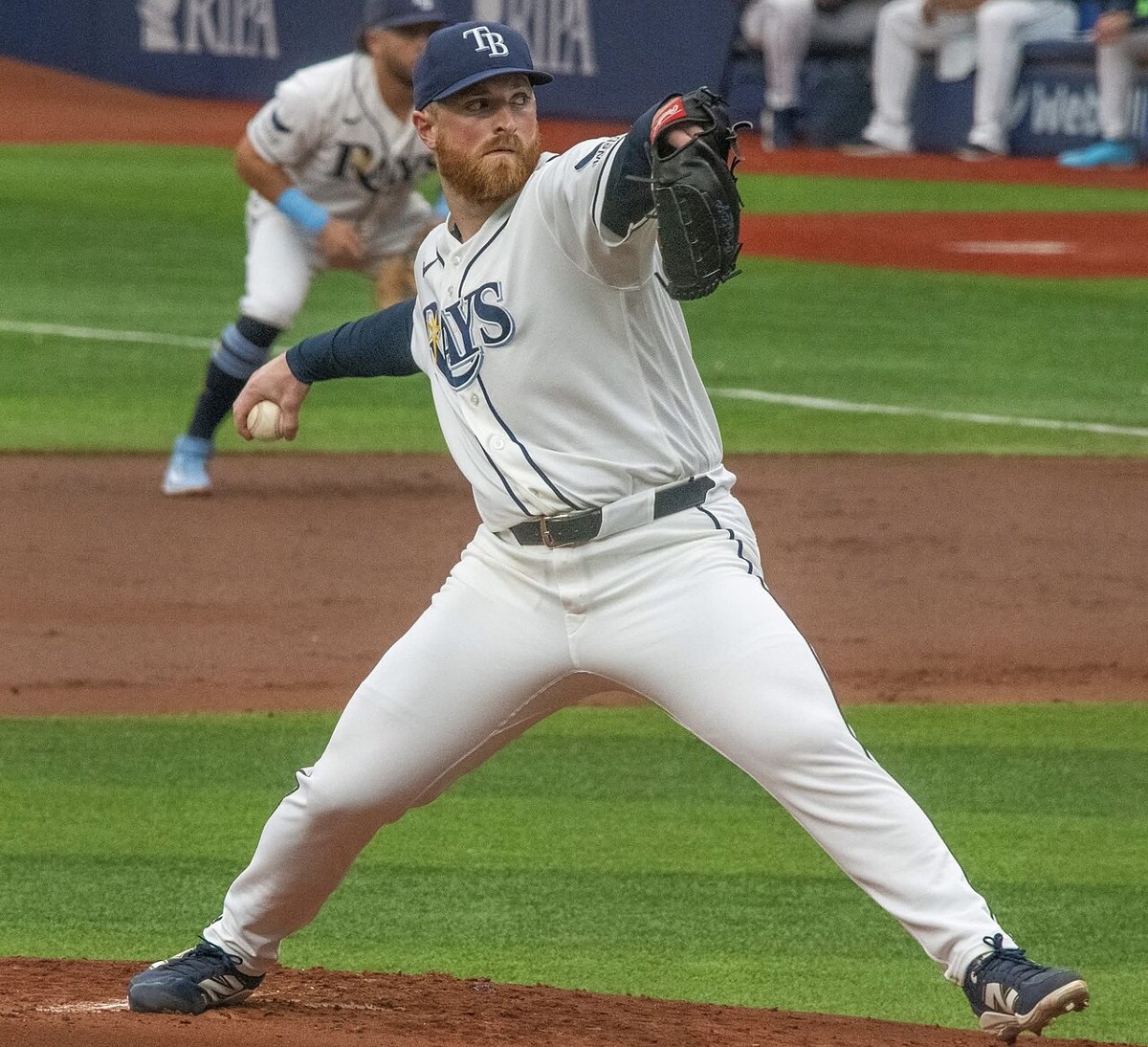
A hitter’s full-season batting line combines plate appearances against right- and left-handed pitching. That average is useful for describing the season, but it can hide the matchup that actually exists today.
Start with the same-side and opposite-side split
Separate performance against right-handed and left-handed pitchers. Most hitters perform better with the platoon advantage, but the size of the gap varies. A small gap across a large sample may matter less than a dramatic split built from only a few dozen plate appearances.
Do not stop at batting average. On-base percentage shows whether the hitter reaches base, while slugging and isolated power show whether the advantage produces damage. Strikeout and walk rates help explain whether the split is driven by contact, discipline or a few extra-base hits.
Pitch type matters more than handedness alone
Two right-handed pitchers can present very different problems. One may live on high fastballs and sweepers; another may rely on sinkers and changeups. A batter’s handedness tells you the basic angle, but pitch location and movement determine whether that angle is useful.
Compare the starter’s primary offerings with the batter’s results against those pitch families. This keeps a broad platoon statistic from becoming a substitute for the actual matchup.
Use a weighted lineup view
One star’s split should not define the entire offense. Estimate how many plate appearances each hitter is likely to receive against the starter, then consider the quality of the hitters behind him.
| Lineup segment | Expected PA vs. starter | Platoon edge |
|---|---|---|
| Top three | 6–7 combined | Strong |
| Middle three | 5–6 combined | Neutral |
| Bottom three | 4–5 combined | Weak |
A strong top third may create the early scoring chance, but a neutral or weak bottom half can limit the number of runners available when the order turns over.
Project the bullpen path
Playoff managers can remove the starter before the third trip through the order and force the opposing manager to choose between keeping a platoon specialist in the lineup or using the bench. A projected left-handed reliever can erase an apparent advantage that exists only for the first five innings.
Track which relievers worked the previous day, how many pitches they threw and which bench bats remain available. The matchup is a sequence, not a single starter-versus-lineup snapshot.
Common mistakes
- Using one full-season OPS without separating pitcher handedness.
- Treating a 40-plate-appearance split as equally stable as a multi-year sample.
- Ignoring pitch mix, velocity and location.
- Assuming the same lineup will face the starter three times.
- Forgetting that pinch hitters change the late-inning matchup.
A practical checklist
- Confirm the starting pitcher and lineup.
- Compare OBP, power, strikeout and walk rates by handedness.
- Match hitters to the starter’s primary pitch types.
- Estimate how long the starter is likely to remain in the game.
- Map the first two likely bullpen matchups.
- Keep the analysis descriptive; do not turn one split into an automatic betting rule.
ISR analysis: Platoon splits are most useful as the first layer of matchup analysis. Handedness identifies the angle; pitch mix, sample size and bullpen sequence decide how much the angle is worth.


 Football