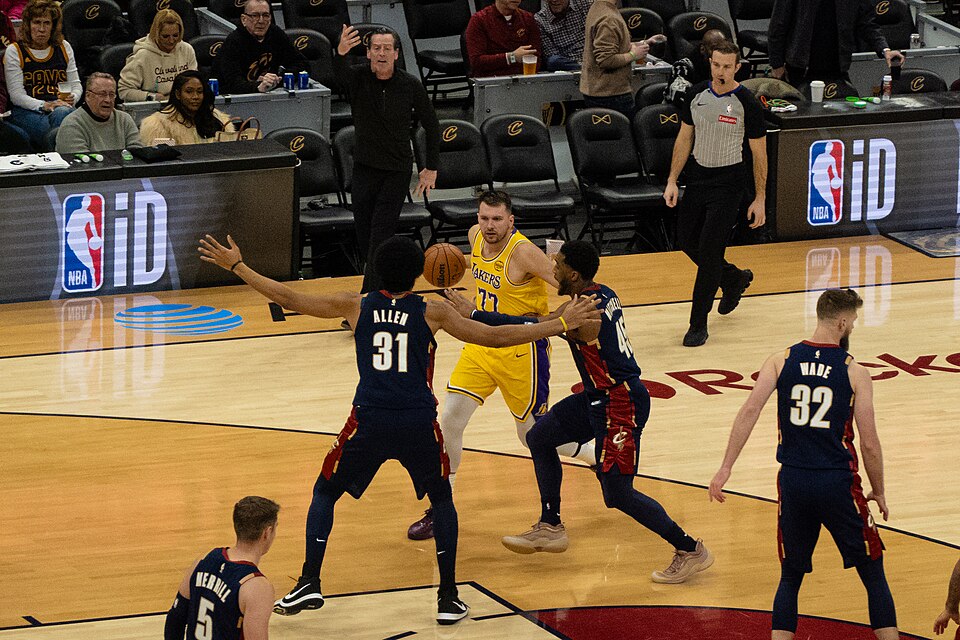
A guard records four steals. Another records one. The first total identifies more credited takeaways; it does not, by itself, establish that the first player defended every possession more effectively.
Start with the opportunity set
Keep minutes, possessions and assignments beside the count. A player defending a high-volume handler may face different chances from a teammate assigned to deny a shooter away from the ball. Comparing the raw totals without those roles can reward opportunity as if it were execution.
Short samples amplify the problem. A brief stretch with several loose-ball chances can change a season ranking sharply. Preserve the number of games and the current role before describing a new stable skill level.
Follow the actual change of possession
A credited steal establishes a defensive takeaway. It does not automatically establish an easy basket at the other end. Record who controls the ball, whether the defense creates a transition advantage and whether the offense converts that advantage into a useful attempt.
A steal followed by a careless turnover differs from a steal followed by a controlled possession. Keep both the original defensive event and the next offensive decision in the log rather than allowing the highlight to end the review.
Record the attempts that fail
Imagine a defender jumps a passing lane three times. Once, the player takes the ball and starts a break. Twice, the pass gets through and a teammate must cover an open receiver. The steals column captures the successful event, not the full set of decisions.
This hypothetical is not an argument against anticipation. Aggressive defense can fit a team’s plan. The useful question is whether the attempt was supported by the coverage and what responsibility moved to the next defender when it failed.
Separate disruption from the final recovery
A deflection, a difficult catch and a forced retreat can damage an offense without producing a credited steal for the first defender. If reviewing film, note those actions separately. Do not invent additional official steals or replace the published box score with a private count.
Likewise, an opponent’s loose handle can create an easy recovery. Preserve the recorded event while distinguishing the quality of the pressure from the mistake that followed it.
A compact defensive log
- Credited steals with minutes and current assignments.
- Passing-lane attempts, including unsuccessful ones.
- The help or rotation required after each attempt.
- Control of the ball and the next offensive possession.
ISR analysis: Use steals as one piece of a defensive review, not a complete ranking. Opportunity, execution and risk belong together before claiming a matchup advantage. This method organizes evidence; it is not a betting recommendation.