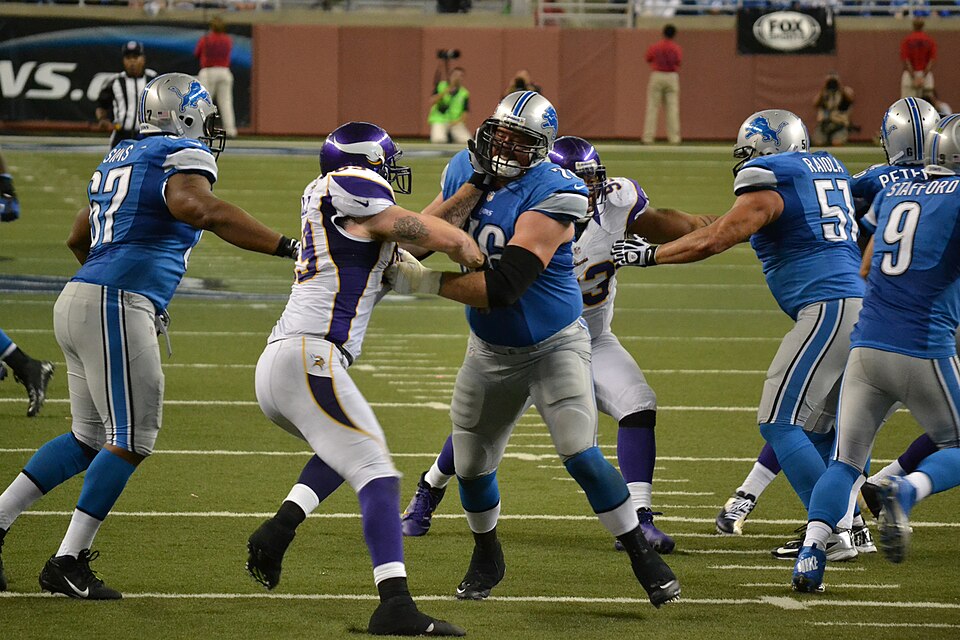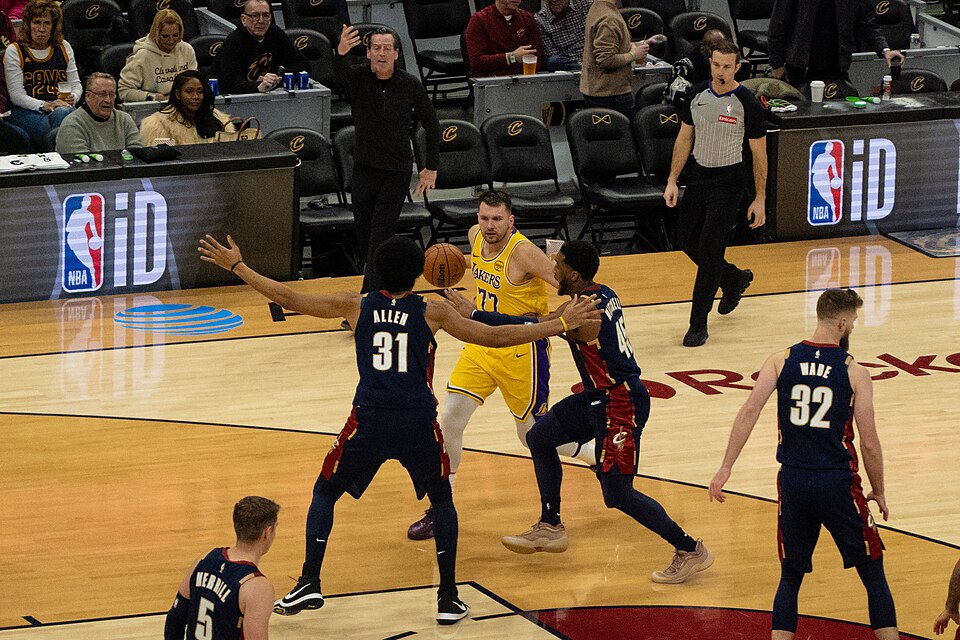
A team holds the ball for 35 minutes and loses. Another holds it for 25 minutes and wins. Neither result makes time of possession meaningless. It shows why the clock total needs the drives and game situation beside it.
Ask which question the statistic answers
Time of possession describes how much game-clock time is assigned to each team’s possessions. It does not directly measure how often an offense had the ball, how far it advanced or how efficiently it scored.
Keep the number of drives visible. Two teams can accumulate the same possession time through very different combinations of long possessions, quick exchanges and end-of-half opportunities. A clock share alone cannot separate them.
Compare two hypothetical paths
Imagine an offense uses eight minutes on a drive that ends without points. Its opponent then scores quickly on a short field. The first offense controlled more clock in that sequence, but the second produced the scoring result.
That does not prove the long drive was useless. It may have changed field position or limited the opponent’s opportunities. The mistake is treating elapsed time as a complete description before recording the starting field position and the outcome.
Attach the score state
A team protecting a late lead may allow the play clock to run before snapping. An offense trying to catch up may preserve time between plays. Those choices can change time-of-possession totals without establishing that one group suddenly became more capable of sustaining drives.
Record the score and time remaining when reviewing a possession. Separate deliberate clock management from forced inefficiency, and label any inference about intent rather than presenting it as a verified coaching decision.
Keep clock events separate from offensive success
Incompletions, out-of-bounds plays, penalties and timeouts can alter the relationship between snaps and elapsed time. When comparing games, preserve the actual drive record rather than assuming equal minutes represent equal opportunities.
Do not quietly discard a kneel-down possession or a brief end-of-half drive from the official result. You may build a separately labeled subset for a specific comparison, but show its definition and the full count beside it.
A compact possession log
- Drive count and time of possession, displayed together.
- Starting field position, plays and the drive’s outcome.
- Score state and time remaining.
- Verified clock events and separately labeled assumptions.
ISR analysis: A clock advantage can be useful evidence, but it is not automatically an offensive advantage. Review what produced the minutes and what those possessions accomplished before carrying a conclusion into the next matchup. This is an educational review method, not a prediction or betting recommendation.